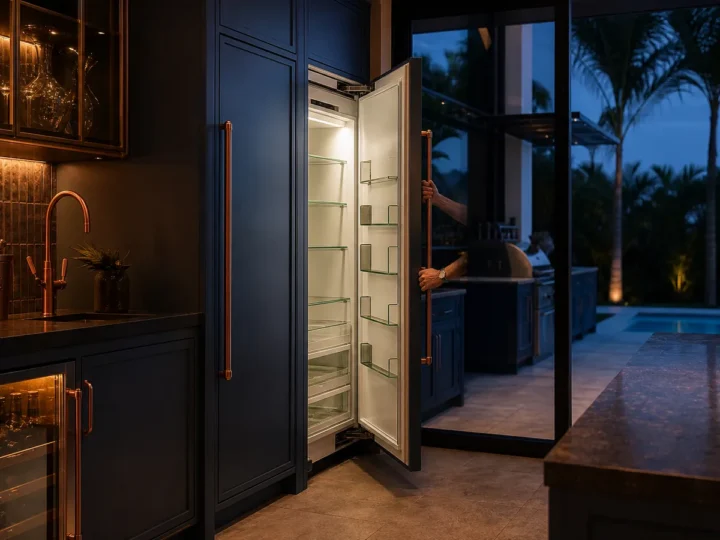
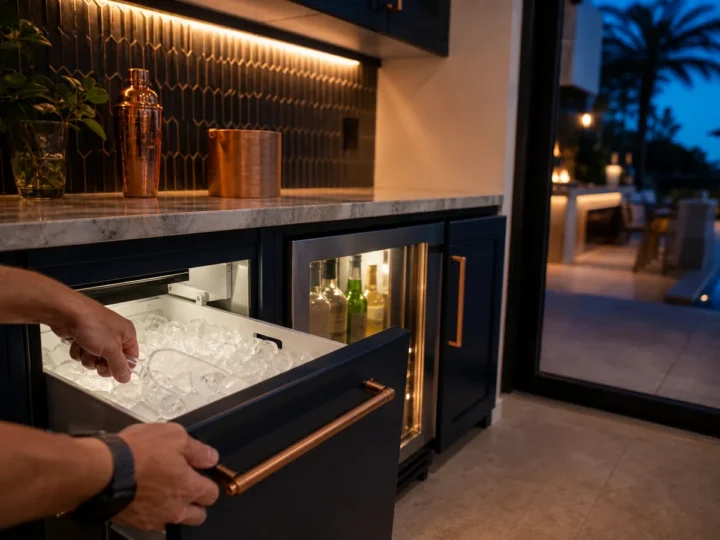
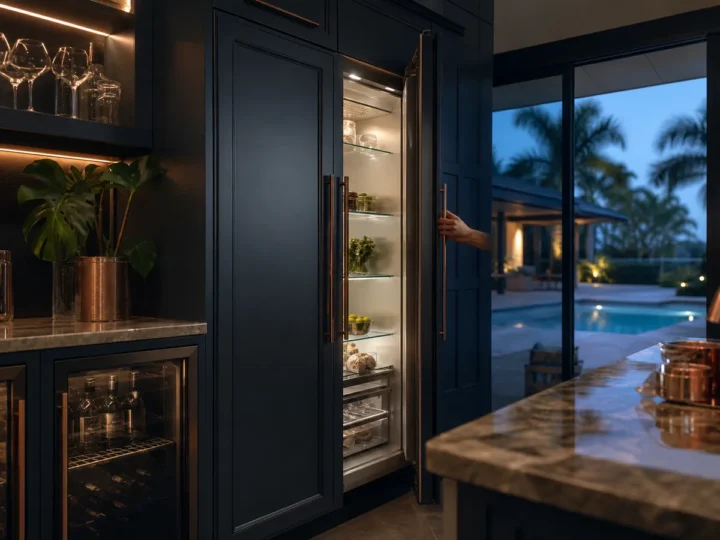
Repair or Replace an Older U-Line Undercounter Unit?
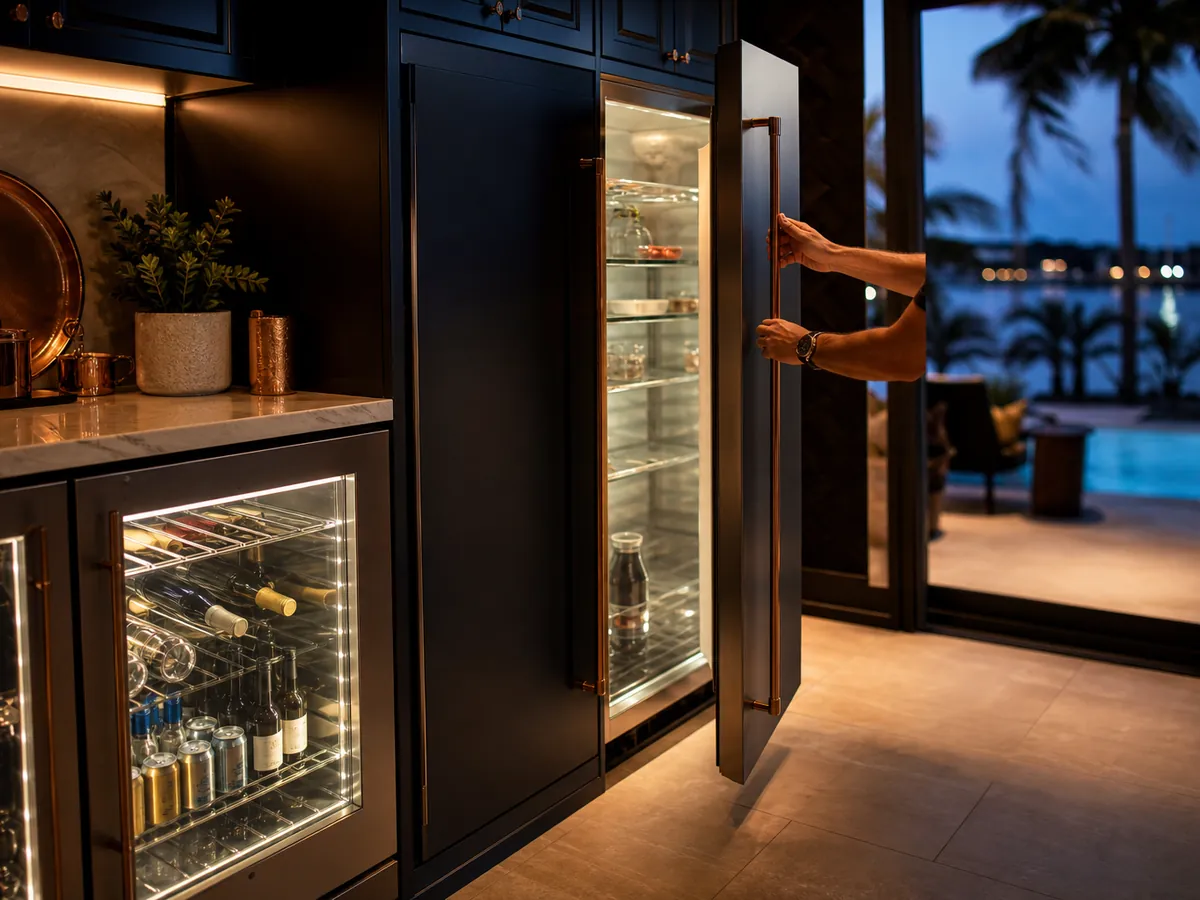
Repair an older U-Line undercounter unit when the cause is clearly identified, the cabinet and the rest of the unit are in good shape, and the written price is reasonable against what you would spend on a replacement. Replace it when the cabinet is damaged, the sealed system has failed, or repairs keep returning. Get the diagnosis first, then decide with real numbers.
What should you ask before deciding?
A guess about price at the start leads to bad decisions in both directions. People replace a unit that needed a simple part, and others sink money into a unit that was past saving. The first step is a diagnosis that names the actual cause, followed by a written price for the repair. Without those two things, you are comparing a real quote to a guess.
Ask the technician these questions during the visit.
- What is the cause, and how did you confirm it?
- Is it a part, the sealed system, the controls or the installation?
- What is the written price for the repair, with parts and labor listed?
- Are the parts available now, and how long would the repair take?
- What else on this unit is worn that may fail soon?
Answers to the last question are opinions, not predictions, and a good technician will say so. We do not promise how long a repaired unit will last. We tell you what we found and what stays uncertain.
Which factors favor repair?
Repair makes sense when the problem is a specific, replaceable part, such as a fan, a sensor, a door seal, a drain pump on an ice maker or a control. These are routine jobs on undercounter refrigeration. It also makes sense when the cabinet, shelves and door are in good condition, because those are the parts that are hardest to replace.
Fit matters more in a built-in space than most people expect. An undercounter unit sits in a cutout between cabinets, with a set height and width. A replacement that does not match the opening can mean new cabinet work, a trim kit or a changed layout. If your current unit fits perfectly and the cabinets are custom, a repair avoids that cost.
Finally, consider sentiment and function. A unit that does exactly what you need, such as a clear ice maker or a dual-zone wine refrigerator, may be worth keeping if repair is reasonable.
Which factors favor replacement?
Replacement becomes more attractive when the sealed system has failed, because that repair involves recovering refrigerant, finding and fixing a leak and recharging the system, all by an EPA-credentialed technician. A damaged or corroded cabinet, a door that no longer seals, or a unit exposed to flood water or salt air are also strong reasons to look at replacement.
Repeated repairs on the same unit are another signal. One repair is a normal event in an appliance’s life. Several in a short period suggest something deeper is wearing out. Parts availability can also become a factor on older models, which we check before quoting a repair.
Think about the use too. A unit that stores wine or serves a busy bar needs to be dependable. If you cannot afford a failure before a party or during storm season, a newer unit may provide peace of mind that a repair cannot.
| Factor | Leans toward repair | Leans toward replacement |
|---|---|---|
| Cause | A single part such as a fan, sensor or seal | Sealed system failure or a corroded cabinet |
| Written price | Reasonable against a replacement and installation | Close to the cost of a new unit |
| Cabinet fit | Custom opening that suits the current unit | Opening is flexible or a new layout is planned |
| History | First repair in years | Several repairs in a short time |
| Exposure | Indoor use, no water or salt damage | Flood, heavy salt air or standing moisture |
| Parts | Parts are available now | Parts are hard to find for the model |
How does Florida change the decision?
Heat, humidity and salt affect refrigeration. A unit on a lanai or in a closed cabinet near an exterior wall works harder during summer, and coastal air corrodes metal parts. If the problem came from a poor installation, such as missing ventilation, a repair without fixing the installation can lead to the same failure again. We tell you when the setup needs attention.
Think also about storm risk. If your home takes surge water, a unit that failed after flooding is rarely worth repairing, while a unit that only lost power may be fine after an inspection. Whichever way you go, plan to replace or repair with a thermometer in the cabinet and a surge-safe connection.
How do you compare the numbers without guessing?
Collect the written price for the repair. Then collect a price for a replacement that fits your opening, including delivery, installation and haul-away of the old unit. Compare totals, not hunches. Use the quote you were given rather than a number you read online, because prices change and do not reflect your unit or your installation.
You do not have to decide on the spot. Take the written price home and sleep on it. There is no pressure to approve work during the visit, and a diagnosis that you pay for belongs to you whichever way you go. Your warranty terms are worth checking if the unit is young enough that coverage may still apply.
Frequently asked questions
Is there an age at which a unit is not worth repairing?
There is no single age. Condition, the cause of the problem, parts availability and the written price decide. A well-kept older unit can be a better repair candidate than a newer one that suffered water or salt damage.
Will you tell me if replacement is the better choice?
Yes. If the diagnosis points to a failed sealed system, a damaged cabinet or a repair that costs close to a new unit, we say so. The decision is yours, and you owe nothing for work you decline beyond the diagnosis.
Can I replace a U-Line undercounter unit with the same size?
Often, since undercounter units are built to common cutout sizes. Measure the opening, check the ventilation style and door swing, and confirm whether the new unit is meant for indoor or outdoor use. The guide for the new model lists clearances.
Does repairing an older unit affect its warranty?
Independent service does not by itself void a warranty, according to the FTC. Check your warranty terms to see what is covered and for how long, and keep records of any work done.